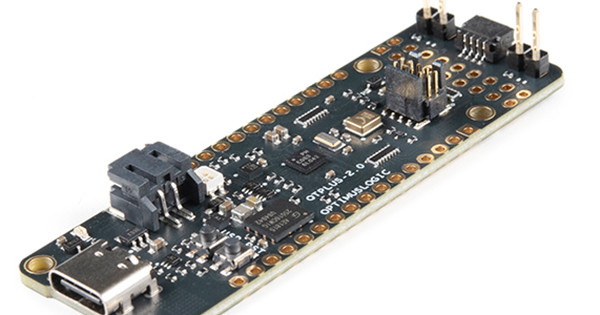

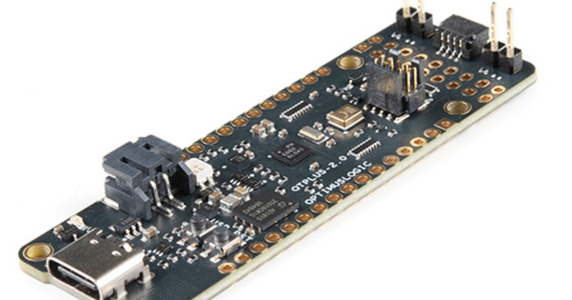
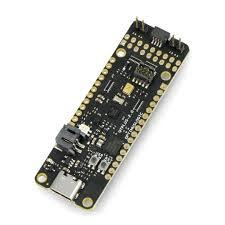
SparkFun DEV-17273 QuickLogic Thing Plus – EOS S3
Brand: Sparkfun
Features


Special Price
₹4,059
₹7,928
49% Off
(Inclusive of all taxes)
All orders placed before cut-off time will be dispatched same day.
For B2B orders, contact us on davesh.sharma@jiwebtech.com /
Stock: Outofstock
About this item
The SparkFun QuickLogic Thing Plus – EOS S3 is a compact and powerful development board designed for low-power edge AI and sensor processing applications. Powered by the QuickLogic EOS S3 System-on-Chip, it features a dual-core architecture with a 32-bit Arm Cortex-M4F and a Cortex-M0 processor, optimized for efficient sensor fusion and AI inference at the edge. This board integrates multiple connectivity options, including Bluetooth Low Energy (BLE) 5.0 and Wi-Fi, making it ideal for wireless sensor nodes and IoT devices. The EOS S3 chip also incorporates a sensor subsystem with an integrated sensor engine, allowing it to process data from various sensors with minimal power consumption. This makes it perfect for always-on applications such as environmental monitoring, wearable devices, and voice processing. The Thing Plus form factor keeps the board small and breadboard-friendly, with plenty of GPIO pins broken out for flexible use. It includes built-in Qwiic connectors for easy I²C sensor integration and supports programming via Arduino and other popular environments. Overall, the QuickLogic Thing Plus – EOS S3 provides a highly efficient and feature-rich platform for developers focused on smart, low-power embedded systems.Specifications
| Microcontroller | QuickLogic EOS S3 dual-core (Arm Cortex-M4F + Cortex-M0) |
|---|---|
| Wireless Connectivity | Bluetooth Low Energy 5.0 and Wi-Fi support |
| Operating Voltage | 3.3 V logic |
| Memory | 1 MB flash and 384 KB SRAM |
| Sensor Engine | Integrated sensor subsystem for low-power sensor fusion |
| I/O Pins | Multiple GPIOs broken out, including ADC, PWM, UART, SPI, and I²C |
| Form Factor | Thing Plus compatible, breadboard-friendly size |
| Programming Support | Compatible with Arduino IDE and other embedded environments |
Ratings & Reviews
Similar Products
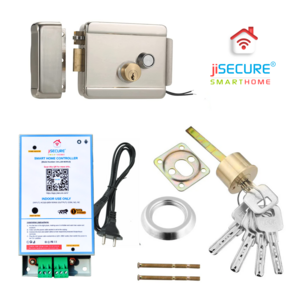
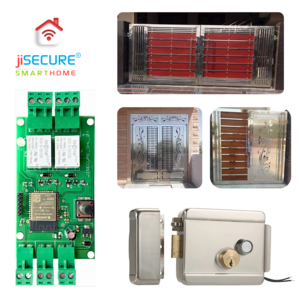
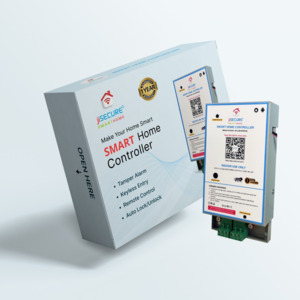
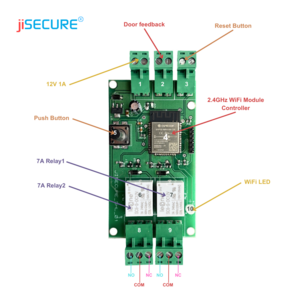
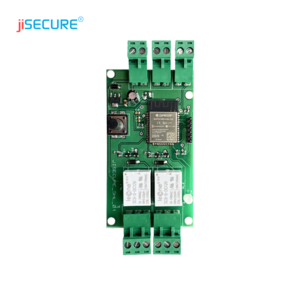
jiSECURE Smart Switch Board – Intelligent Home and Office Control Panel
₹2,500
₹6,798
63% Off
Add
to Cart
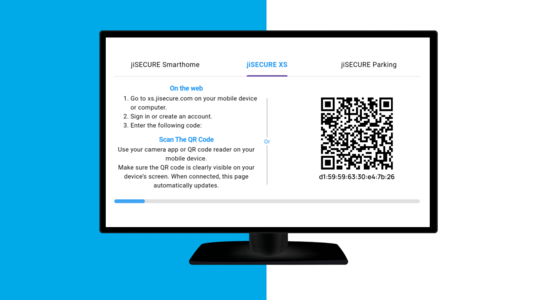
Smart Display TV App – Advanced Connectivity and Control
₹12,346
₹19,908
38% Off
Add
to Cart
Smart Parking Solution – Intelligent Space Detection and Guidance
₹9,000
₹14,653
39% Off
Add
to Cart